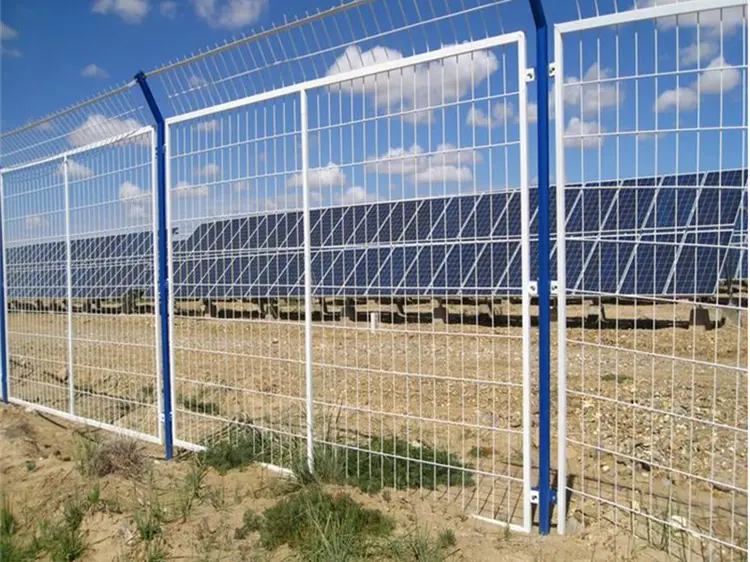

You’ve optimized panel tilt, chosen the best inverters, and nailed the grid connection. But when it comes to perimeter security, too many solar projects treat fencing as a last-minute checkbox.
Big mistake.
In reality, the fence around your photovoltaic (PV) site plays a silent but vital role in safety, asset protection, and long-term O&M efficiency. Based on real-world deployments across Asia, Africa, and Latin America, here’s what actually works:
1. It’s Not Just About Height—It’s About Deterrence
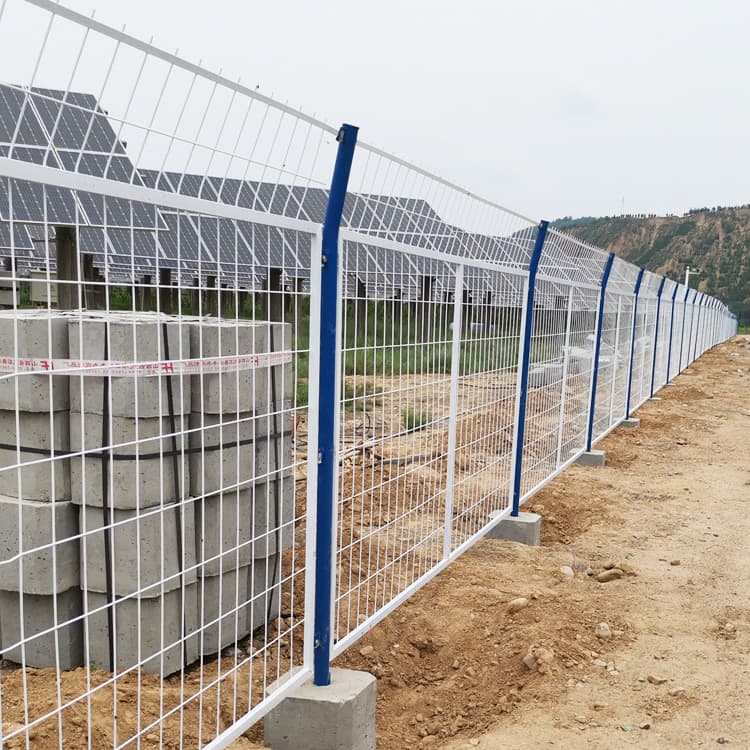
A 2-meter fence might meet code, but if it’s easy to climb or cut, it’s useless. For utility-scale solar farms, anti-climb designs—like curved tops, tight mesh (e.g., 358 or clear-view), or integrated spikes—are non-negotiable. Remember: intruders target the weakest link, not the tallest wall.
2. Wildlife Is a Real Threat (Yes, Really)
From foxes digging under panels to monkeys chewing cables, animals cause more downtime than you’d think. That’s why buried skirt sections (30–50 cm underground) and fine-mesh lower zones are standard in high-risk areas. Don’t wait for your first outage to realize this.
3. Maintenance Access > Aesthetics (But You Can Have Both)
Unlike residential fences, solar farm fencing must allow quick access for cleaning crews, drone inspections, and emergency repairs. Modular welded mesh panels with removable sections or service gates beat solid walls every time. And with powder-coated galvanized steel, you get durability and a clean look that won’t clash with the landscape.
4. Location Dictates Design
- Perimeter: High-security welded mesh (hot-dip galvanized + PVC)
- Substation/Inverter Zones: Enhanced height + intrusion detection integration
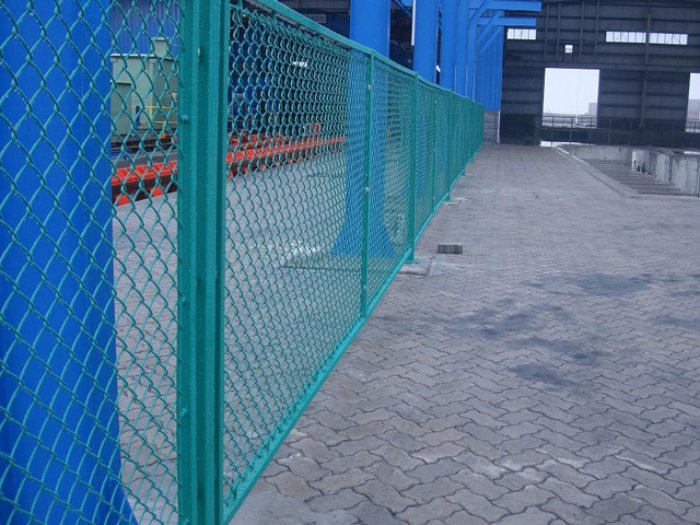
- Internal Roads: Lightweight but sturdy roll-top chain link for cost efficiency
One size doesn’t fit all—and smart developers know it.
5. Sustainability Starts at the Fence
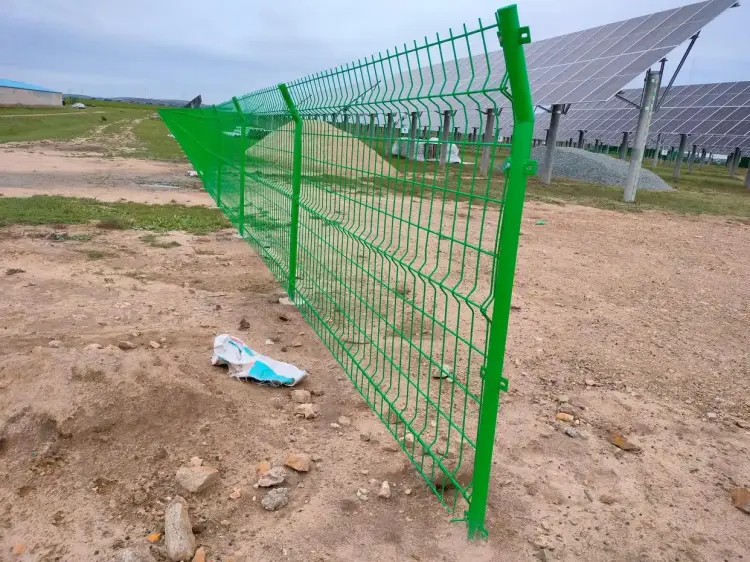
Modern solar projects demand eco-conscious materials. Look for fencing made from recyclable steel, with low-carbon galvanizing processes, and coatings free of heavy metals. It’s not just greener—it often qualifies for ESG reporting credits.
Final Thought
The best solar fence does three things:
- Keeps threats out
- Lets operations in
- Stays intact for 20+ years with zero touch
If your current spec sheet just says “chain link,” it’s time to rethink.
Need a fencing solution engineered specifically for solar infrastructure? We provide technical layouts, wind-load calculations, and region-specific compliance support—no guesswork required.